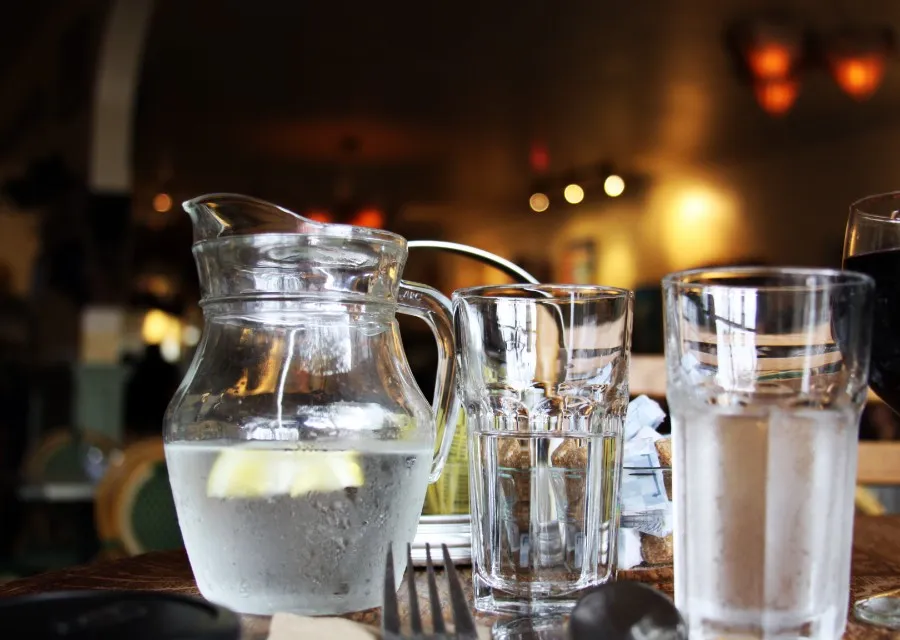
Staying hydrated does not require a complicated plan or a special bottle. For most healthy adults it comes down to a few steady habits: drinking regularly through the day, eating water-rich foods and paying attention to the signals your body already sends. This guide covers those habits, the signs you may need more and the times when fluid needs change. It is general information, not medical advice.
How Much Water Do You Need?
There is no single number that suits everyone. Fluid needs depend on body size, activity, climate, diet, pregnancy or breastfeeding and overall health. Popular rules of thumb are a starting point at best. A more practical approach is to drink when you are thirsty, drink a little more when you are active or it is hot, and use simple cues to check how you are doing.
One rough check many health sources mention is urine colour: pale yellow generally suggests you are drinking enough, while dark yellow can be a sign to drink more. Some foods, vitamins and medicines change urine colour, so treat this as a guide rather than a test.
Simple Daily Hydration Habits
- Start the day with a glass. Pair a drink of water with something you already do each morning, such as making breakfast.
- Keep water within reach. A refillable bottle on your desk, in your bag or in the car makes sipping automatic.
- Link drinks to routines. Have a glass with each meal, after a bathroom break or whenever you stand up from a long task.
- Make it taste better. Add slices of lemon, cucumber, berries or mint if plain water feels boring.
- Drink around exercise. Have some fluid before, sip during longer sessions and top up afterwards.
- Watch the sugar. Water is the simplest everyday choice. Sugary drinks add fluid but also extra sugar and calories.
Foods That Help You Hydrate
Drinks are not the only source of fluid. Many fruits and vegetables are mostly water, and meals such as soups and stews add more. Cucumber, lettuce, celery, tomatoes, watermelon, oranges, strawberries and courgette are easy additions. Milk, tea and coffee also count toward your fluid intake for most people, although it is sensible to keep caffeine moderate, especially later in the day. Our guide to better sleep habits explains why afternoon caffeine can work against a good night’s rest.
Signs You May Need More Fluids
Mild dehydration is common and usually easy to fix. Early signs can include:
- feeling thirsty;
- dark yellow or strong-smelling urine, or urinating less often;
- a dry mouth, lips or eyes;
- tiredness, light-headedness or a headache.
Drinking fluids usually helps quickly. Seek urgent medical help if someone is confused, very drowsy, has a racing heartbeat, faints or cannot keep fluids down, as these can point to more serious dehydration.
When You Need a Little More
Hot weather and exercise
Sweating increases fluid loss. On hot days and during long or intense activity, drink more often. Long, sweaty sessions can also lose salts, so food or drinks containing electrolytes may help in those situations.
Illness
Fever, vomiting and diarrhoea can dehydrate the body quickly. Small, frequent sips are often easier than large drinks. Oral rehydration solutions from a pharmacy can help replace lost salts. Babies, young children and older adults are more vulnerable and should be checked by a health professional sooner.
Older age
The sense of thirst can become less reliable with age, so older adults may benefit from drinking at regular times rather than waiting until they feel thirsty.
Staying Hydrated at Work and on the Go
Busy days are when most people forget to drink. Meetings run back to back, the coffee cup empties and suddenly it is mid-afternoon. A few small tweaks help:
- Fill a bottle at the start of the working day and aim to refill it at least once before you leave.
- Keep a glass next to your screen so you see it whenever you look up.
- When travelling, carry an empty reusable bottle through security and fill it afterwards.
- On long drives, plan stops where you can stretch your legs and have a drink.
- In air-conditioned or heated rooms, which can feel drying, sip a little more often.
If you tend to forget, a gentle reminder on your phone or a bottle with time markings can turn drinking water into a habit rather than a chore. The goal is not to hit a perfect number but to avoid long stretches with nothing to drink.
Can You Drink Too Much?
It is uncommon, but yes. Drinking very large amounts in a short time, particularly during endurance events, can dilute the salt in your blood. Some people, including those with certain heart, kidney or liver conditions, may be advised to limit fluids. If you have a health condition or take regular medicines, ask your doctor what amount is right for you. You can find more everyday wellness guides in our health section.
Frequently Asked Questions
Does coffee dehydrate you?
For most regular coffee drinkers, moderate amounts still count toward daily fluid intake. Very high caffeine intake can cause other problems, such as poor sleep or jitteriness, so moderation is sensible.
Is thirst a reliable signal?
For most healthy adults, thirst works well as a day-to-day guide. It is less reliable in older adults, during intense exercise and in hot conditions, when drinking at regular intervals helps.
Do sports drinks help with hydration?
For everyday activity, water is usually enough. Drinks with electrolytes can be useful during long, sweaty exercise or illness, but many sports drinks also contain a lot of sugar.
Looking for more simple, practical guides? Browse the latest articles on MyReadingManga. This article is general information, not medical advice.