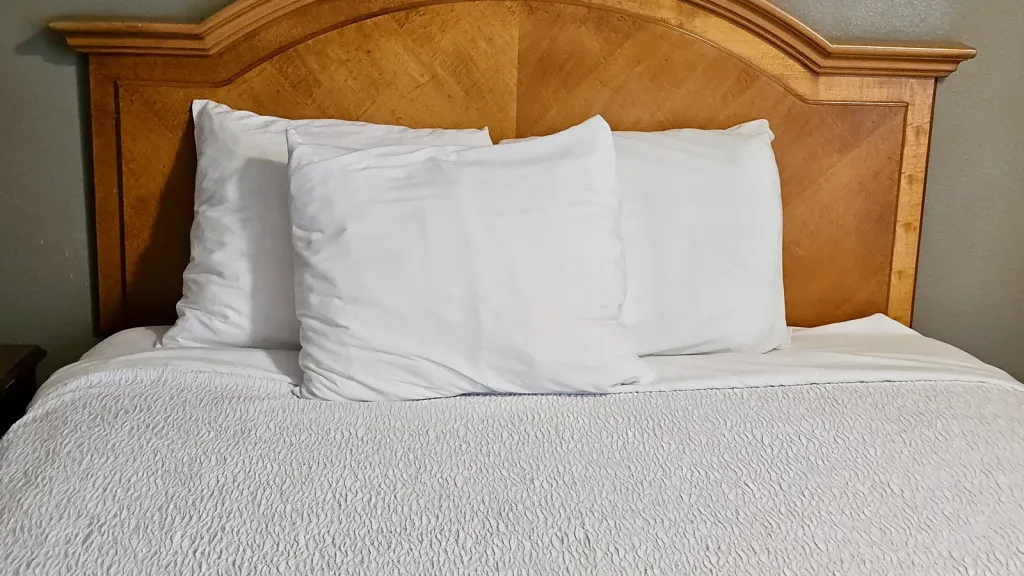
Better sleep habits start with a regular schedule: go to bed and wake up at roughly the same times every day, including weekends. Add a calm, low-light wind-down routine, limit caffeine and alcohol later in the day, and keep your bedroom quiet, cool and dark. These basics, recommended by official health bodies, help most people sleep better.
This MyReadingManga guide gathers that advice in one place. It is general information for healthy adults; if you have ongoing sleep problems, a doctor is the right person to talk to.
Key Takeaways
- The NHS says most healthy adults need around 7 to 9 hours of sleep a night.
- A consistent schedule, including weekends, matters more than any single trick.
- Use the hour before bed for quiet, low-light activities rather than bright screens.
- Persistent difficulty sleeping is worth discussing with a GP or doctor.
How Much Sleep Do You Need?
According to the NHS Every Mind Matters sleep guide, most healthy adults need around 7 to 9 hours a night, although the exact amount differs from person to person. Children and teenagers usually need more.
How you feel during the day is a useful check. Waking refreshed, having enough energy and being able to focus suggest you are getting enough. Struggling to wake, feeling irritable or finding it hard to concentrate can be signs you are not.
Build a Consistent Sleep Schedule
Your body clock likes routine. The NHLBI’s guidance on healthy sleep habits recommends going to bed and waking at the same time every day, and keeping the difference between weeknights and weekends to no more than about an hour. Staying up late and sleeping in on weekends can disrupt your sleep-wake rhythm.
Start with your wake-up time, since it is usually the easier one to control. Then count back to find a bedtime that allows enough sleep, and protect it the way you would protect an appointment.
Create a Wind-Down Routine
A predictable routine signals that the day is ending. NHLBI suggests using the hour before bed for quiet time and avoiding intense exercise and bright artificial light, such as from a TV or computer screen, because that light may signal the brain that it is time to be awake.
A simple evening sequence might look like this:
- Dim the main lights and set your phone to charge away from the bed.
- Prepare for tomorrow: clothes, bag, a short to-do list so worries are on paper.
- Take a warm bath or shower, or try a relaxation exercise.
- Read something relaxing, ideally in print, under a soft lamp.
- Lights out at your usual time.
Reading before bed
Reading is a popular part of many wind-down routines. A printed book or comic volume avoids the bright screen light NHLBI cautions against. If you do read on a phone or tablet, lower the brightness, keep sessions short and avoid stories so gripping that “one more chapter” becomes ten. Our guide on screen reading and eye strain has more tips for comfortable evening reading, and we often suggest that readers of MyReadingManga save cliffhanger series for daytime.
Daytime Habits That Affect Sleep
Good nights begin during the day. The table below summarises key points from the NHS and NHLBI.
| Habit | What the guidance says | Source |
|---|---|---|
| Caffeine | Its effects can last up to 8 hours, so late-afternoon coffee may make it hard to fall asleep | NHLBI |
| Caffeine, alcohol and smoking | Avoid smoking and drinking alcohol, tea or coffee at least 6 hours before bed | NHS |
| Meals | Avoid heavy or large meals within a few hours of bedtime; a light snack is fine | NHLBI |
| Naps | Adults should nap for no more than 20 minutes, earlier in the afternoon if night sleep is difficult | NHLBI |
| Daylight and activity | Spend time outside and be physically active every day when possible | NHLBI |
Alcohol deserves a special mention. The NHS notes it can make you feel sleepy at first but can lead to poorer sleep later in the night.
Set Up Your Bedroom for Sleep
Noise, light, temperature and an uncomfortable bed can all make sleep harder. A few practical adjustments:
- Dark: blackout curtains or an eye mask; a dim night light is fine if needed.
- Quiet: earplugs or a steady background sound if you live somewhere noisy.
- Cool: a slightly cool room with breathable bedding.
- Calm: keep work, laptops and phones out of bed where you can.
Screens, Stress and Busy Minds
Phones combine bright light with endless content, which makes them hard to put down at night. The NHS lists putting your phone away before bed among simple steps toward better sleep. If evening screen time has crept up, a digital detox weekend can help you reset, and building a daily reading habit with a paper book gives your hands something else to reach for.
Worry is another common cause of poor sleep. Writing down what is on your mind earlier in the evening can help, as can relaxation techniques.
When to Talk to a Doctor
A few bad nights are usually nothing to worry about. The NHS advises speaking to a GP if poor sleep continues despite changing your habits, if you think you may have insomnia, or if you suspect a medicine is affecting your sleep. Also seek advice if you snore loudly, stop breathing during sleep or feel very sleepy during the day.
You will find more everyday wellbeing guides in our Health section and routine ideas in Lifestyle. When you are rested and ready for a new story, MyReadingManga’s manga and manhwa library is there in the daytime too.
Frequently Asked Questions
How many hours of sleep do adults need?
The NHS says most healthy adults need around 7 to 9 hours of sleep a night, though individual needs vary with age, health and daily routine. A good sign you are getting enough is waking refreshed and having steady energy and focus during the day. Children and teenagers generally need more sleep than adults.
Is it bad to sleep in at weekends?
Occasional lie-ins are normal, but large shifts can unsettle your body clock. NHLBI suggests keeping the difference between weeknight and weekend sleep times to no more than about an hour. If you regularly need long weekend lie-ins, it may be a sign you are not getting enough sleep during the week.
Is reading in bed good for sleep?
For many people, reading something calm under soft light is a helpful part of winding down. A printed book avoids bright screen light, which NHLBI says may signal the brain to stay awake. If you read on a device, dim the screen and stop at a natural break rather than continuing late.
When should I see a doctor about sleep problems?
Speak to a GP or doctor if poor sleep continues despite better habits, regularly affects your daily life, or you think you may have insomnia. Seek advice too if you snore loudly, notice pauses in breathing, or feel very sleepy during the day. A doctor can look for underlying causes and suitable treatment.