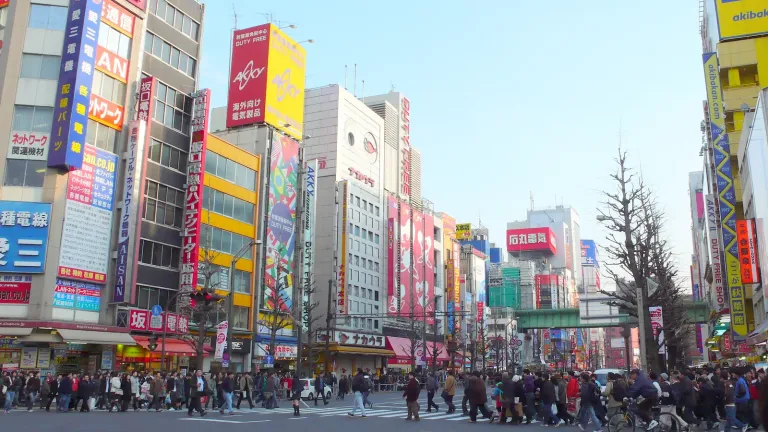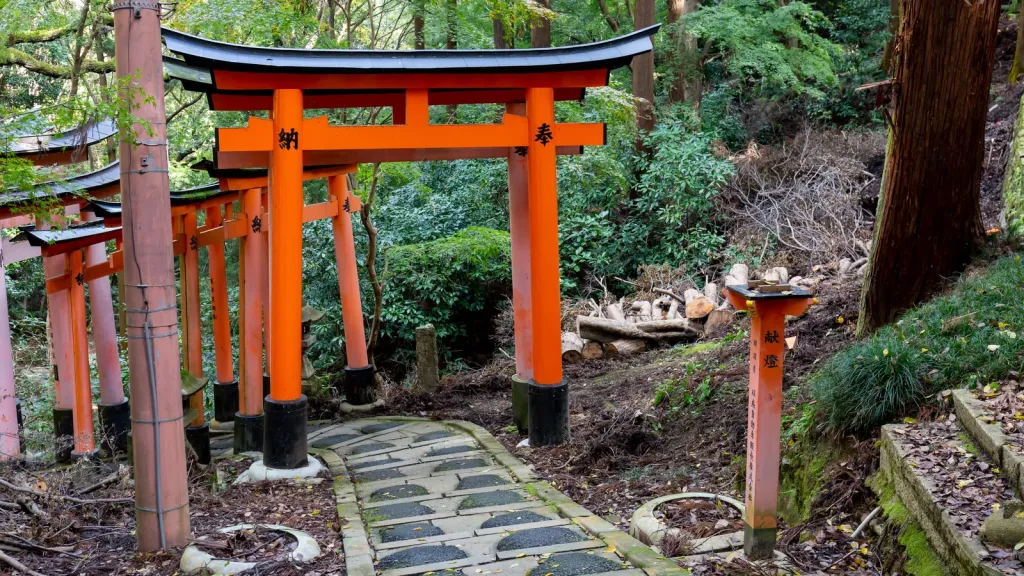
The best way to plan a first trip to Japan is to settle three things early: your entry requirements, your travel dates and a loose route of no more than two or three bases. Everything else — transport cards, cash, etiquette — is easy to sort once those decisions are made. This guide from the MyReadingManga editorial team walks through each step in the order you will actually need it.
Key Takeaways
- Check entry rules for your own passport on an official source before you book anything.
- Season shapes everything: spring and autumn are popular, and national holidays fill trains and hotels fast.
- Pick two or three bases instead of moving every night.
- Carry some cash alongside cards, and use a rechargeable IC card for local trains and buses.
- Quiet trains, no tipping and shoes off indoors cover most first-timer etiquette.
Start With Entry Requirements
Before you compare flights, confirm what your passport needs. According to the Japan National Tourism Organization’s entry and visa page, every visitor needs a valid passport, and travelers from some countries and regions can enter without a visa for short tourist stays. The length of stay and the list of eligible countries depend on nationality, and the rules can change.
Treat any blog post, including this one, as a starting point rather than the final word. Check the Ministry of Foreign Affairs list or contact the Japanese embassy or consulate where you live, and make sure your passport will remain valid for the whole trip.
Choose When to Go
Japan is a year-round destination, but each season changes the trip. Crowds, weather and prices move together, so decide what matters most to you before you lock in dates.
| Season | What to expect | Planning note |
|---|---|---|
| Spring | Cherry blossoms and mild weather | Very popular; book rooms early |
| Summer | Hot, humid days and local festivals | Plan indoor breaks and carry water |
| Autumn | Comfortable temperatures and autumn leaves | Another busy period in famous spots |
| Winter | Cold, clear days in many cities; snow in the north | Some attractions close over New Year |
Domestic holiday periods such as Golden Week, the summer Obon break and the New Year holidays bring heavy domestic travel. If your dates are flexible, avoiding those windows usually makes trains calmer and rooms easier to find.
Build a Realistic Route
First-time visitors often try to see the whole country in ten days. A better plan is to pick a small number of bases and take day trips from them. You spend less time packing and more time wandering side streets, which is where much of Japan’s charm hides.
A simple first-trip framework
- One big city: Tokyo or Osaka gives you food, shopping, museums and easy connections.
- One historic base: Kyoto or a smaller castle town adds temples, gardens and slower evenings.
- One wildcard: a hot-spring town, a mountain area or a coastal city that matches your interests.
If comics are part of why you are going, give yourself a free afternoon or two in Tokyo. The MyReadingManga manga lover’s guide to Tokyo covers the neighborhoods, bookstores and themed spots that readers tend to enjoy, so you can slot them into the city days rather than rushing between them.
Money: Cash, Cards and a Budget
Cards are widely accepted in large cities, but small restaurants, shrines, rural inns and some ticket machines may still prefer cash. Carry a modest amount of yen and know where you can withdraw more; convenience stores and post offices are common places to find ATMs that accept foreign cards, though you should check with your own bank about fees.
Set a daily spending plan before you leave. Splitting the trip into fixed costs (flights, rooms, rail) and flexible costs (food, souvenirs, entry tickets) makes it far easier to stay on track. If you want a simple structure for that, our guide to budgeting for beginners with the 50/30/20 rule shows how to carve out a travel fund without squeezing everyday bills.
Getting Around Without Stress
Japan’s public transport is famously punctual, and you rarely need a car in the cities. A few habits make it smoother:
- Get a rechargeable IC card or its mobile version for local trains, subways and many buses. Tap in, tap out, and top up at station machines.
- Use a route-planning app to check platforms and transfers before you leave your room.
- Compare rail pass options against the trips you actually plan. A pass can save money on long journeys, but it is not automatically the cheaper choice.
- Consider luggage forwarding services when moving between cities, so you are not dragging suitcases through busy stations.
Etiquette Basics Worth Knowing
You do not need to memorize a rulebook. Most locals are patient with visitors who make a visible effort. Keep phone calls off trains and speak quietly in carriages. Tipping is not part of the culture, so a sincere thank-you works better than leaving extra money. Remove your shoes where you see a step up at an entrance or a row of slippers, and carry a small bag for your rubbish, because public bins can be hard to find.
Learning a handful of phrases — hello, thank you, excuse me — goes a long way. So does a little cultural background before you land. For a gentle introduction to Japanese storytelling habits, our culture section on comics and reading basics is a fun place to start.
Prepare on the Flight
Long-haul flights are a good time to switch off and read. Downloading a few volumes or chapters before you board means you are not relying on in-flight Wi-Fi. Readers planning a Japan trip often enjoy dipping into the manga library to pick up series set in real Japanese cities, then spotting familiar streets and station names on arrival. If you want something light for the journey, MyReadingManga’s free manga collection has plenty of slice-of-life and comedy titles.
Finally, gather practical details in one place: accommodation addresses written in Japanese, travel insurance documents, a copy of your passport and the emergency numbers for your country’s embassy. More planning ideas for Asia trips live in our travel section, and the official JNTO site is useful for regional inspiration.
Frequently Asked Questions
How many days do I need for a first trip to Japan?
There is no fixed answer, but many first-time visitors find that around ten days to two weeks allows two or three bases without constant packing. Shorter trips work well if you focus on one region, such as Tokyo and nearby day trips, rather than trying to cover the whole country.
Do I need a visa to visit Japan as a tourist?
It depends on your nationality. Some passport holders can make short tourist visits without a visa, while others must apply in advance. Check the official JNTO entry page, the Ministry of Foreign Affairs list or the Japanese embassy in your country, because rules and eligible countries can change at any time.
Is Japan cash only?
No, cards are widely accepted in cities, hotels and chain stores. However, smaller restaurants, temples, rural guesthouses and some machines still prefer cash. Carrying a modest amount of yen and knowing where to find ATMs that accept foreign cards keeps you covered without having to hold large sums.
Is it rude to tip in Japan?
Tipping is not customary in Japan, and staff may politely return money you leave behind. Good service is considered part of the job. A clear thank-you, a small bow and patience go much further. Some high-end inns and guided tours handle extra thanks differently, so follow local guidance if offered.