Athletes may push their knees through long training blocks, uneven terrain, and quick changes in direction. When knee pain starts to interfere with performance, it often affects more than a single workout. It can affect how you move, train, and recover. Managing symptoms early helps prevent long layoffs, and it also lowers the chance that a minor issue becomes a long‑term problem. Here’s information about knee pain and how to manage it as an athlete:
Understanding Possible Causes
Knee pain in athletes may start with repeated stress on joints, tendons, and surrounding soft tissues. High‑impact sports load the joint repeatedly, and this has the potential to strain the structures that stabilize the knee. Ligament sprains, cartilage irritation, and tendon overload may appear as pain during running or jumping. Not stretching or warming up before practice and play often contributes to knee issues. When training volume increases too quickly, or when strength and mobility don’t match sport demands, the risk of symptoms may also increase.
Using Practical Training Strategies
Training habits influence knee symptoms, and small adjustments sometimes reduce stress on the joint. Athletes may also need to manage altitude and weather shifts. These conditions influence how sessions feel on any given day. A structured approach to warming up, completing strength work, and choosing play surfaces supports the knee while you stay active. Strategies can include the following:
- Adjust training load: Spread intense sessions through the week, and pair them with lower‑impact days.
- Prioritize warmups: Use dynamic drills that target hips, quads, and hamstrings before you start higher‑speed work.
- Build supporting strength: Add targeted exercises for glutes, quadriceps, hamstrings, and calves to stabilize the knee.
- Vary surfaces: Mix track, turf, and trails when possible, and limit long periods on hard concrete.
- Use recovery blocks: Plan short deload weeks in your training cycle, and match them to competition schedules.
- Monitor early signs: Track stiffness, swelling, or reduced range of motion after sessions and respond early.
Exploring Targeted Treatments
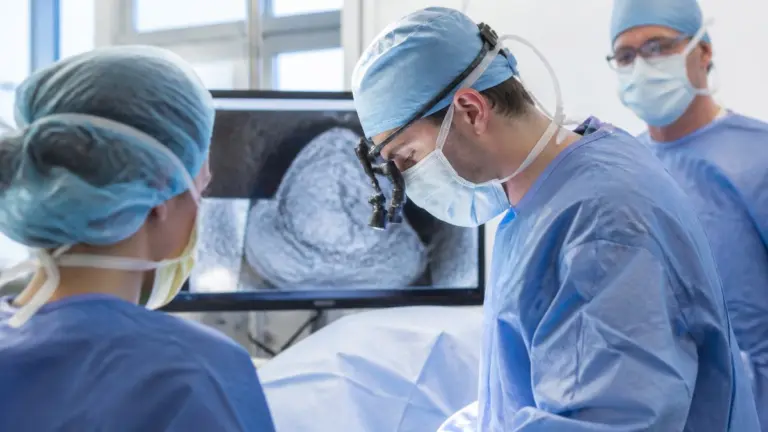
When conservative treatments provide insufficient relief, athletes may explore targeted procedures. Genicular radiofrequency ablation targets sensory nerves around the knee; these nerves transmit pain signals. Using imaging guidance, a specialist positions a probe near the nerves and applies controlled radiofrequency energy. This reduces their ability to transmit pain without changing the joint’s structure. It also minimizes disruption to surrounding tissues. The procedure may complement strength training, movement retraining, and sport-specific rehabilitation.
Genicular artery embolization addresses knee pain differently by targeting blood flow rather than nerve signals. During this image-guided procedure, a specialist guides a small catheter into arteries supplying the knee. Tiny particles then reduce blood flow to areas associated with inflammation. This may decrease inflammatory activity and relieve joint pain over time. Athletes with persistent inflammation-related symptoms are able to discuss embolization with an interventional specialist. Recovery may require progressive strengthening, mobility exercises, and appropriate activity modifications. When clinically appropriate, this minimally invasive option helps athletes manage symptoms, and it enables them to maintain an active lifestyle.
Find Treatment for Knee Pain
Ongoing knee pain during sport deserves a clear diagnosis and structured plan; this is key when training goals remain high. A specialized medical team can help athletes compare treatment options, as some professionals have experience with image-guided procedures, joint preservation, and athletic demands. Options range from training changes to interventions like radiofrequency ablation or embolization. With proper evaluation and follow-through, athletes may return to the field, court, or trail. Consult an interventional treatment specialist to learn more.