Manga are comics from Japan, manhwa are from Korea, and manhua are from China. The biggest practical differences are reading direction, colour and format: manga usually reads right to left in black and white, while most modern manhwa and manhua are full-colour digital comics that scroll vertically.
All three words come from the same Chinese characters (漫畫), loosely meaning “whimsical pictures,” and each language simply pronounces them differently. This guide breaks down what actually separates them, so you know what to expect when you open a new series on MyReadingManga.
Key Takeaways
- The labels mainly describe country of origin: Japan, Korea or China.
- Manga is read right to left; manhwa and manhua are read left to right or top to bottom.
- Most manga is printed in black and white; most digital manhwa and manhua are in colour.
- Popular genres overlap, but each tradition has its own favourites.
A Side-by-Side Comparison
These are general patterns, not strict rules. There are colour manga, black-and-white manhua and printed webtoons, but the table reflects what most readers encounter today.
| Feature | Manga (Japan) | Manhwa (Korea) | Manhua (China) |
|---|---|---|---|
| Reading direction | Right to left | Left to right, or vertical scroll | Left to right, or vertical scroll |
| Colour | Mostly black and white | Mostly full colour (webtoons) | Often full colour online |
| Typical format | Magazine chapters, then collected volumes | Long vertical strips for phones | Mix of page layouts and vertical strips |
| Common genres | Shounen, shoujo, seinen, slice of life | Romance fantasy, action, regression, murim | Cultivation, martial arts, fantasy |
| Name origin | 漫画 | 만화 (from 漫畫) | 漫画 / 漫畫 |
Manga: Japan’s Comic Tradition
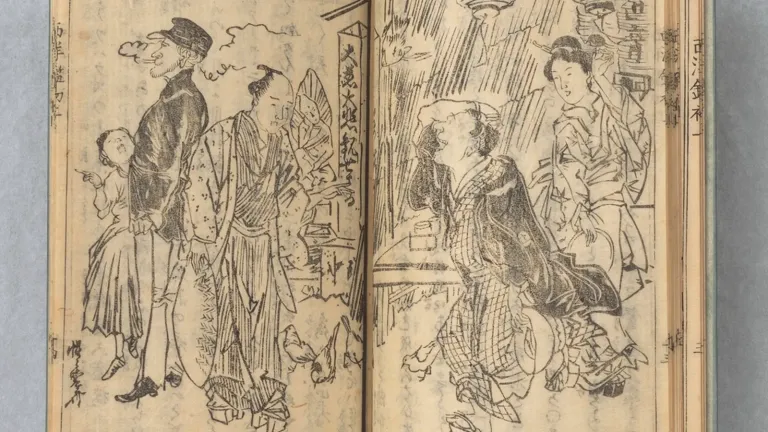
Manga has the longest modern publishing history of the three and the largest global footprint. It is also taken seriously as culture. The Kyoto International Manga Museum, founded by Kyoto City and Kyoto Seika University, preserves around 300,000 items, from Edo-period caricature prints to modern series and foreign editions. Outside Japan, Ohio State University Libraries describes its holdings as one of the world’s largest manga collections beyond Japan.
How manga looks and reads
- Pages flow right to left, and so do panels and speech bubbles.
- Screentone and inked shading replace colour.
- Chapters usually run first in magazines, then appear in collected volumes.
- Demographic labels such as shounen and seinen describe the intended audience.
If the layout is new to you, our guide on how to read manga right to left covers the basics in a few minutes.
Manhwa: Korea’s Scrolling Comics
Korean comics have a long print history, but most readers now meet them as webtoons: tall, full-colour strips made for smartphones. You read top to bottom with your thumb, and the space between panels becomes a storytelling tool for pauses, reveals and jump scares.
Manhwa is especially strong in fantasy, action and romance, with trends such as regression, system and murim stories. Omniscient Reader’s Viewpoint is a good example of the scrolling, game-like style many readers love. For the full picture, see our beginner’s guide to manhwa or browse the Manhwa category.
Manhua: China’s Colourful Epics
Manhua comes from mainland China, Hong Kong and Taiwan, and the styles vary between them. Hong Kong has a well-known tradition of martial arts comics, while many recent mainland titles are full-colour online series, often adapted from web novels.
Cultivation and martial arts dominate, with heroes training their qi to climb power realms, alongside fantasy, romance and historical drama. Our explainer on what manhua is goes deeper into its history and genres.
How Format Shapes the Story
The differences are not just cosmetic. A manga artist plans around the page: a dramatic reveal often sits on the left-hand page so it appears only after you turn. A webtoon artist plans around the scroll, using long empty gaps to build suspense or a sudden tall panel to deliver a shock.
Colour changes the work too. Black-and-white manga relies on linework, screentone and contrast, which suits fast weekly schedules. Full-colour manhwa and manhua lean on lighting and palette to set mood, so a single colour shift can signal danger or a flashback. Neither approach is better; they simply reward different reading habits.
Which Should You Start With?
It depends on how you like to read, and because MyReadingManga carries all three, sampling them costs nothing but an evening:
- Prefer finished stories and varied genres? Start with manga; there are countless complete series.
- Read mostly on your phone? Try manhwa; vertical scrolling feels natural on a small screen.
- Love epic power progression? Pick a cultivation manhua.
- Not sure? Sample one of each and see which rhythm suits you.
Many readers end up enjoying all three. The differences in layout and colour quickly stop feeling strange, and you start noticing how each format shapes the storytelling. More explainers like this live in our Culture section.
Common Misconceptions
- “Manhwa is just coloured manga.” Not quite; vertical scrolling changes pacing and panel design, not just the palette.
- “Manhua copies manhwa.” Trends cross borders, but manhua has its own roots in Chinese literature and martial arts fiction.
- “Anime only comes from manga.” Most anime adapt manga, light novels or original ideas, but some now adapt manhwa too.
Whichever you pick, you can explore all three in one place on MyReadingManga, the free manga, manhwa and manhua library.
Frequently Asked Questions
What is the main difference between manga, manhwa and manhua?
The main difference is country of origin: manga is Japanese, manhwa is Korean and manhua is Chinese. In practice, readers notice format first. Manga usually reads right to left in black and white, while most digital manhwa and manhua are in full colour and read left to right or by vertical scrolling.
Why is manga read right to left?
Japanese has traditionally been written in vertical columns that move from right to left, so Japanese books open from what English readers think of as the back. Manga follows the same convention. Most English editions keep the original layout rather than flipping the art, which preserves the creator’s composition.
Are webtoons and manhwa the same thing?
Not exactly. Manhwa means Korean comics in general, including printed books. Webtoon refers to the vertical-scroll digital format that became popular in Korea. Most manhwa read online today are webtoons, but webtoons are also made in other countries, and some manhwa still appear in traditional page layouts.